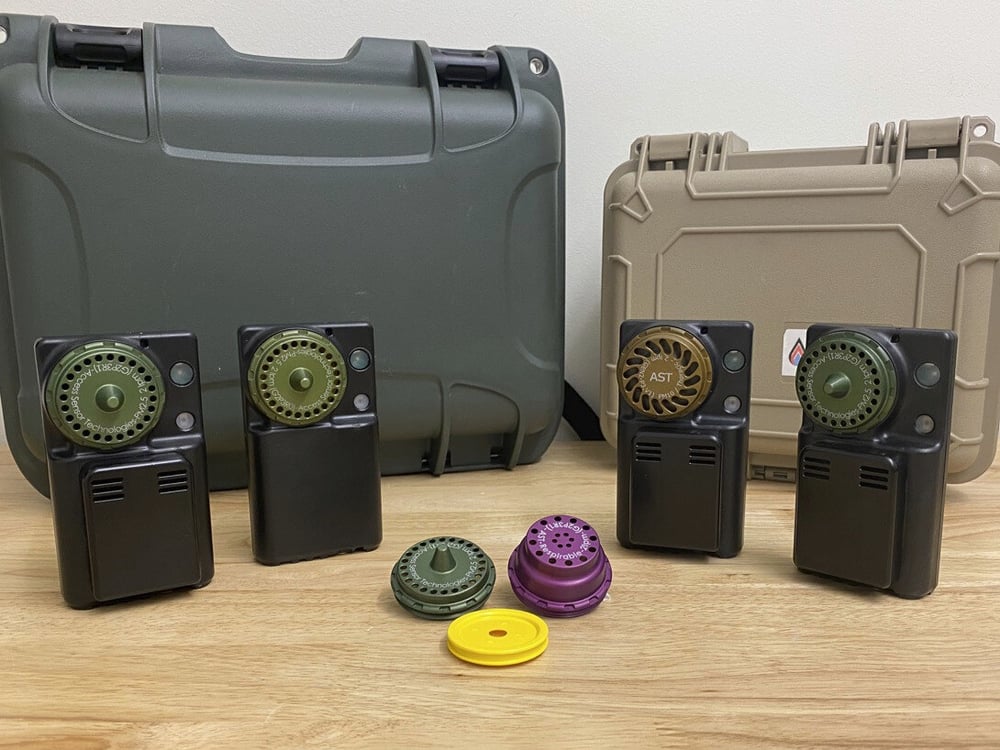
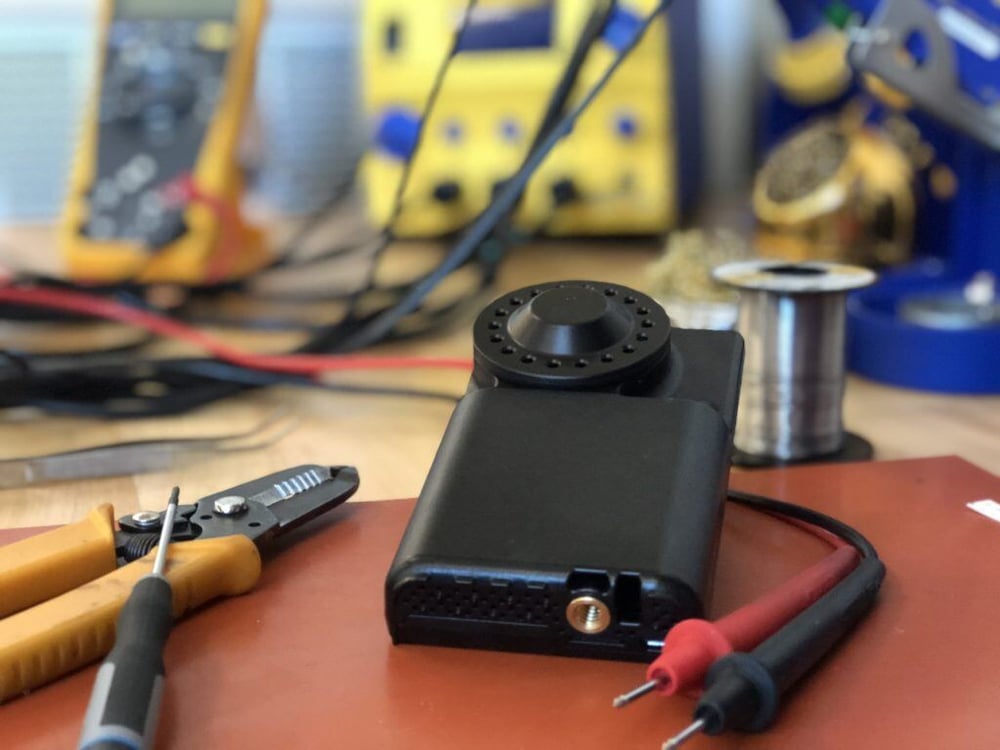
Access Sensor Technologies has sold three different versions of our Ultrasonic Personal Air Sampler...
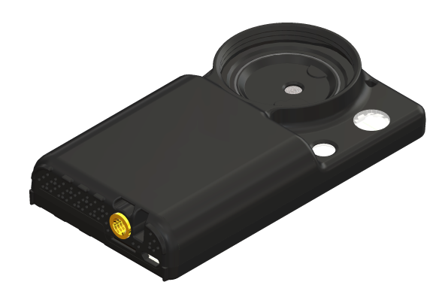
The Ultrasonic Personal Air Sampler (UPAS) is a wearable device that samples particulate matter (PM) air pollution onto filters. Samples collected with the UPAS can be analyzed to determine:
The UPAS is smaller, lighter, quieter, more affordable, easier to use, and more robust than conventional particulate matter sampling equipment.
Minimal burden: The UPAS is small, light, and silent enough to be worn in a person’s breathing zone with minimal disruption of work and life activities.
Sampling made simple: It’s easy to set up a sample using our mobile app.
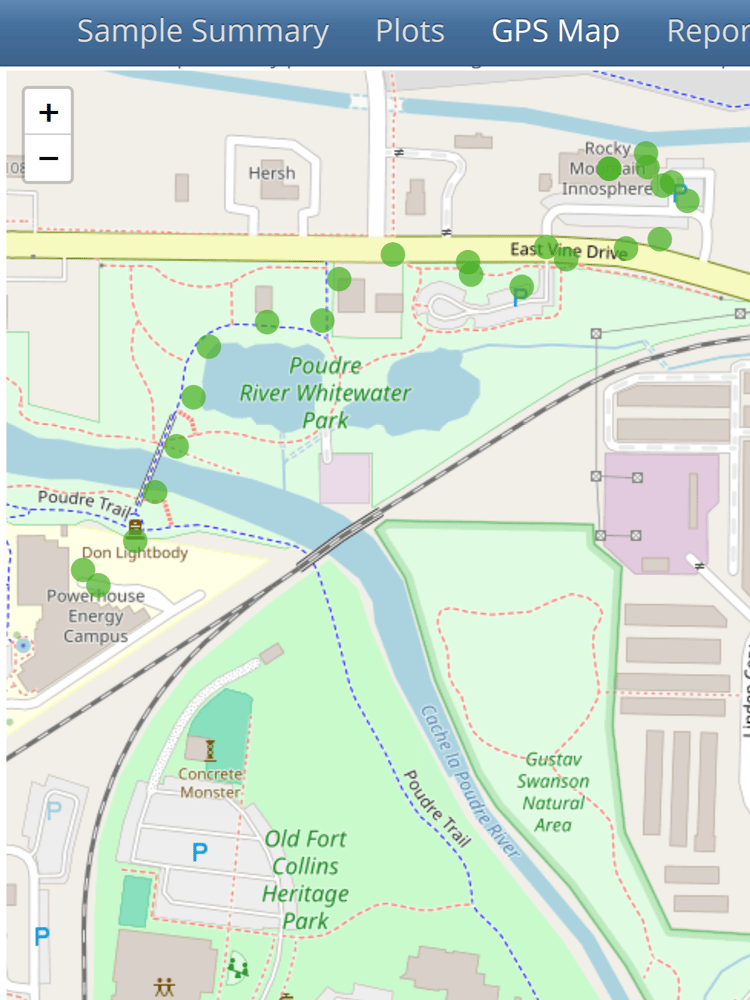
Rich data log: The UPAS v2.1 logs time-resolved GPS, temperature, humidity, light intensity, and motion data to tell you where the device traveled during the sample so you can identify associated pollution sources.
Reliable operation: Active controls maintain the target volumetric flow rate even as environmental conditions change and the pressure drop across the filter increases. The UPAS logs the flow rate and other operational data to facilitate robust sample quality assurance.
Durable construction: The UPAS has been field tested over thousands of hours in large sampling campaigns and challenging environments around the world.
The UPAS has been laboratory- and field-tested alongside conventional personal sampling equipment including the Personal Environmental Monitor (PEM), the Harvard Impactor, the Mesa Labs/BGI Triplex Cyclone, and the Personal Modular Impactor (PMI). Validation data can be found in the following peer-reviewed publications:
Volckens, J., C. Quinn, D. Leith, J. Mehaffy, C. S. Henry, and D. Miller-Lionberg. 2017. Development and evaluation of an ultrasonic personal aerosol sampler. Indoor Air 27:409–16. doi: 10.1111/ina.12318. See Figure 5.
Arku, R. E., A. Birch, M. Shupler, S. Yusuf, P. Hystad, and M. Brauer. 2018. Characterizing exposure to household air pollution within the Prospective Urban Rural Epidemiology (PURE) study. Environment International 114:307–17. doi: 10.1016/j.envint.2018.02.033. See Figure 5.
Pillarisetti, A., E. Carter, S. Rajkumar, B. N. Young, M. L. Benka-Coker, J. L. Peel, M. Johnson, and M. L. Clark. 2019. Measuring personal exposure to fine particulate matter (PM2.5) among rural Honduran women: A field evaluation of the Ultrasonic Personal Aerosol Sampler (UPAS). Environment International 123:50–3. doi: 10.1016/j.envint.2018.11.014. See Figures 2 and 3.
Burrowes, V. J., R. Piedrahita, A. Pillarisetti, L. J. Underhill, M. Fandiño‐Del‐Rio, M. Johnson, J. L. Kephart, S. M. Hartinger, K. Steenland, L. Naeher, K. Kearns, J. L. Peel, M. L. Clark, W. Checkley, HAPIN Investigators. 2020. Comparison of next‐generation portable pollution monitors to measure exposure to PM2.5 from household air pollution in Puno, Peru. Indoor Air 30:445-58. doi: 10.1111/ina.12638. See Figures 2 and 3.
Li, X., J. Tryner, B. N. Young, L. Hernandez-Ramirez, M. Phillips, S. WeMott, G. Erlandson, G. Kuiper, D. Dean, N. Martinez, L. Sanpedro, S. Magzamen, J. Volckens. 2024. Application and validation of a wearable monitor for assessing time- and location-resolved exposures to particulate matter in California’s Central Valley. Aerosol Science and Technology. doi: 10.1080/02786826.2024.2415481. See Figure 1 and Table 1.

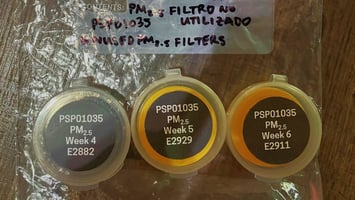
The UPAS can collect PM samples on either 37- or 25-mm-diameter filters. The UPAS is most often used to sample PM onto PTFE (Teflon™) membrane filters with 2-μm pores (we recommend Measurement Technology Laboratories part number PT37P-PF03). Many other filters can also be used in the UPAS; however, there are some air sampling filters that are not compatible with the UPAS. The sample pump that makes the UPAS small, lightweight, and virtually silent also has a lower tolerance for “back pressure” (resistance to flow) than many of the larger, noisier pumps that have been used historically to collect personal air samples. In the table below, we indicate whether various filters can be used to sample PM with the UPAS at flow rates of 1 and 2 L min-1. For most of the filters listed below, we provide an example part number for the 37-mm version, but performance is typically similar for 37- and 25-mm versions of the same filter. For more detailed information on a larger number of filters, see pages 13-15 and Tables 4-5 in our UPAS v2.1 and v2.1 PLUS User Guide.
| Filter type | Pore size (μm) | Example product | Sample flow rate | |
| 1 L min-1 | 2 L min-1 | |||
| PTFE membrane | 2.0 | MTL PT37P-PF03 | ||
| PTFE membrane | 1.0 | Zefon FPTFE137 | ||
| PVC membrane | 5.0 | SKC 225-5-37 | ||
| Quartz fiber | - | Pall Tissuquartz 2500QAT-UP | ||
| Glass fiber, grade A-E | 1.0 | Zefon IW-AE3700 | ||
| Emfab™ (borosilicate microfiber w/ woven glass, PTFE bonded) | - | Pall TX40HI20WW | ||
| Gelatin | 3.0 | Sartorius 12602--37----ALK | ||
| MCE | 0.8 | SKC 225-1939 | ||
| Polycarbonate membrane | 1.2 | Millipore RTTP02500 | ||
| Polycarbonate membrane | 1.0 | Sterlitech 1270064 | ||
| Legend: | ||||
| Compatible with UPAS | ||||
| Suitable for use if required by your sampling protocol or analysis method; pump voltage setting required to sample through clean filter is >75% of the maximum recommended value; slight concern about the voltage setting that might be required to sample through a filter that is heavily-loaded with PM | ||||
| Not recommended or not compatible for use with the UPAS; pump voltage setting required to sample through clean filter is greater than the maximum recommended or maximum allowable value | ||||
| Exterior size | 128 mm × 70 mm × 23 mm |
| Weight | 200 g (without inlet or filter cartridge) |
| Noise | <45 dB |
| Flow rate range | 1.0 to 2.0 L min-1 ± 4% (actively controlled) |
|
Size-selective inlets (per relevant EPA, ACGIH, and ISO criteria) |
PM2.5, 1 L min-1 PM2.5, 2 L min-1 Respirable, 2 L min-1 PM10 / Thoracic, 2 L min-1 |
| Filter size | 37 mm (default) or 25 mm; quick-change filter cartridges for easy in-field handling |
| Battery type | Li-ion, 24 W-h |
| Battery endurance | 20 to 48 h, depending on filter media and sample settings; extendable via external battery or line power. |
| On-board sensors monitor: | • Sample flow rate • Air temperature/pressure/relative humidity • GPS location of UPAS (can be deactivated) • Differential pressure across the sample filter • Light (Lux, IR, UV, UV index) • Motion/acceleration (linear & angular, 6 DOF) |
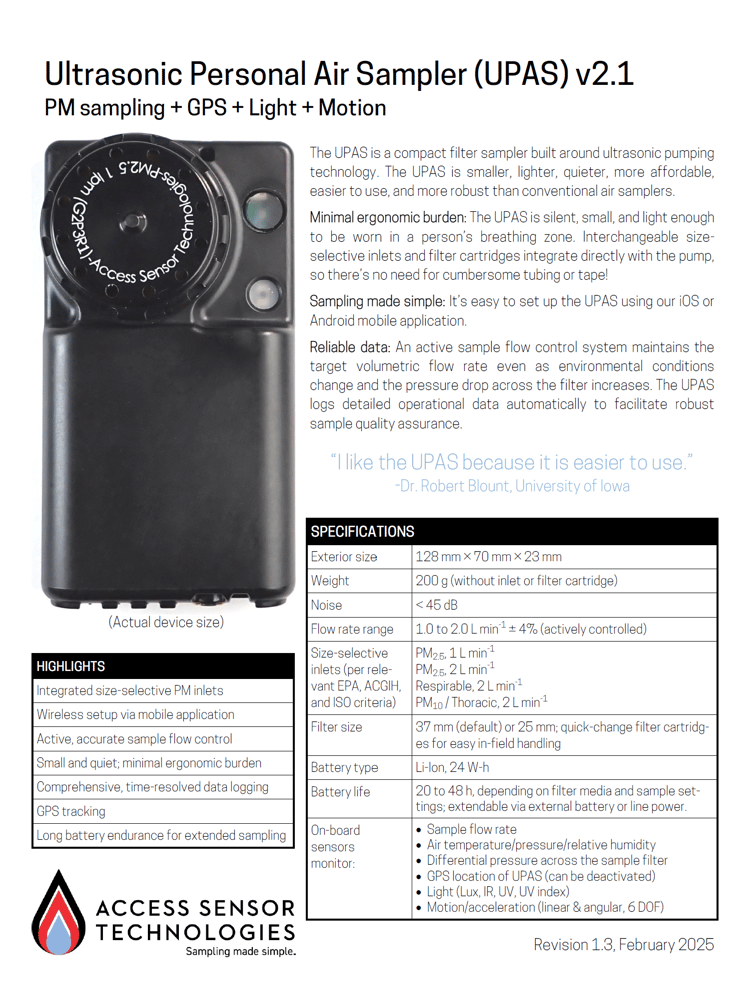
A two-page summary of UPAS v2.1 capabilities and specifications, revision 1.5, released May 2026
UPAS v2.1 and v2.1 PLUS User Guide for firmware revisions 200 and later, revision 3.0, released July 2026
UPAS v2.1 and v2.1 PLUS User Guide for firmware revisions 158 and earlier, revision 1.91, released July 2026
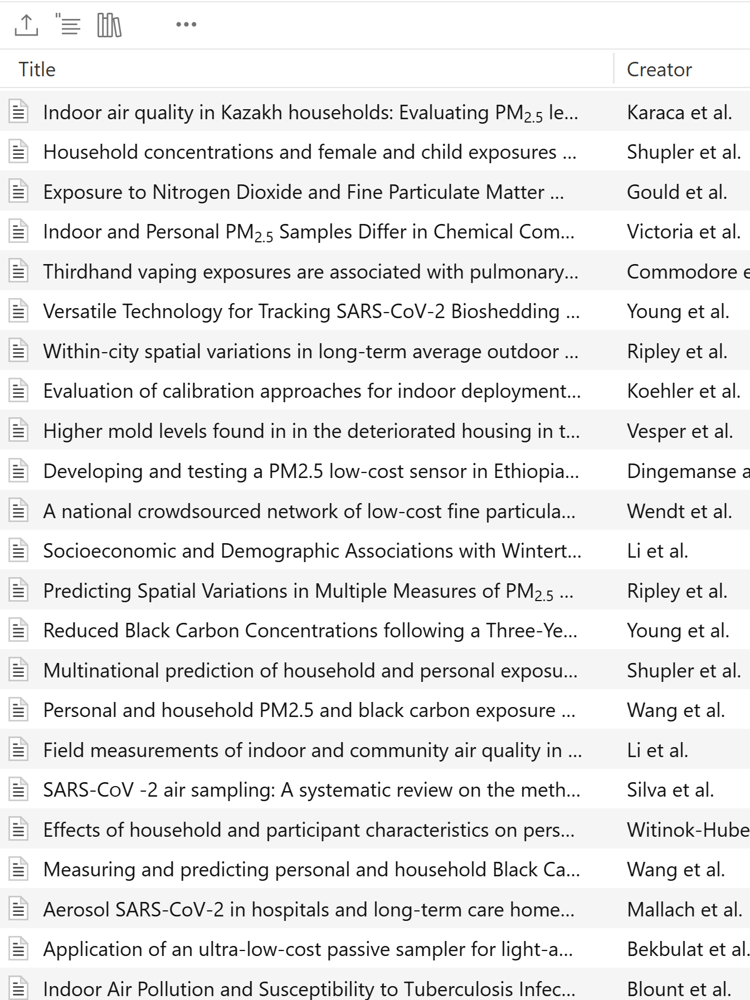
A public library of scientific publications that feature the UPAS
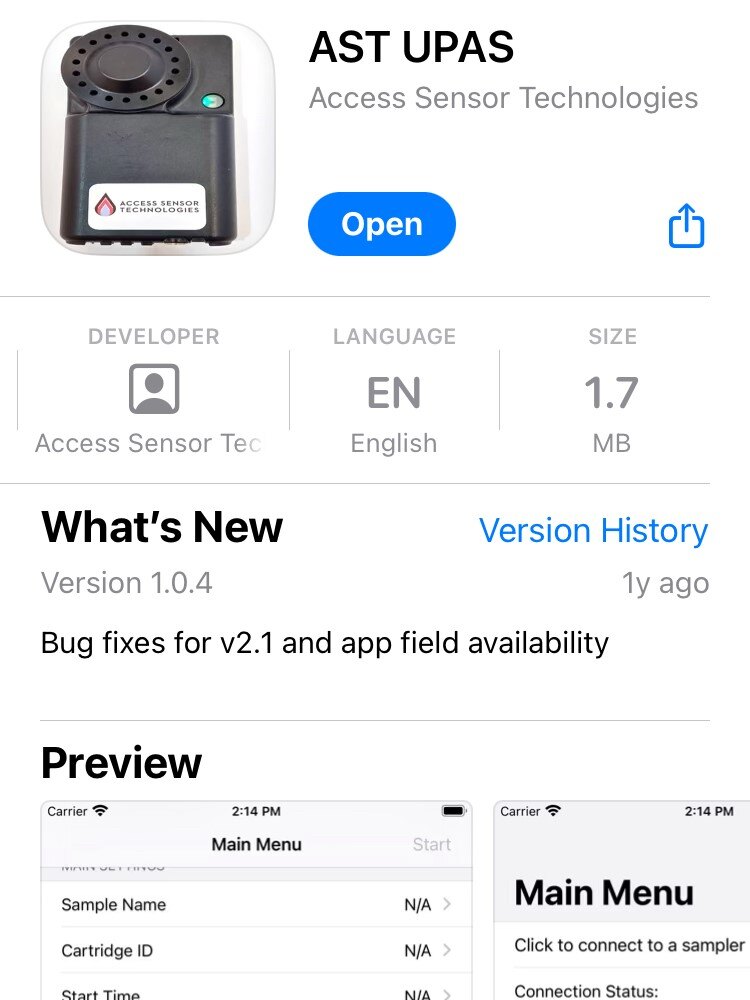
For programming UPAS v2.1 and v2.1 PLUS sample settings (requires iOS ≥ 12)
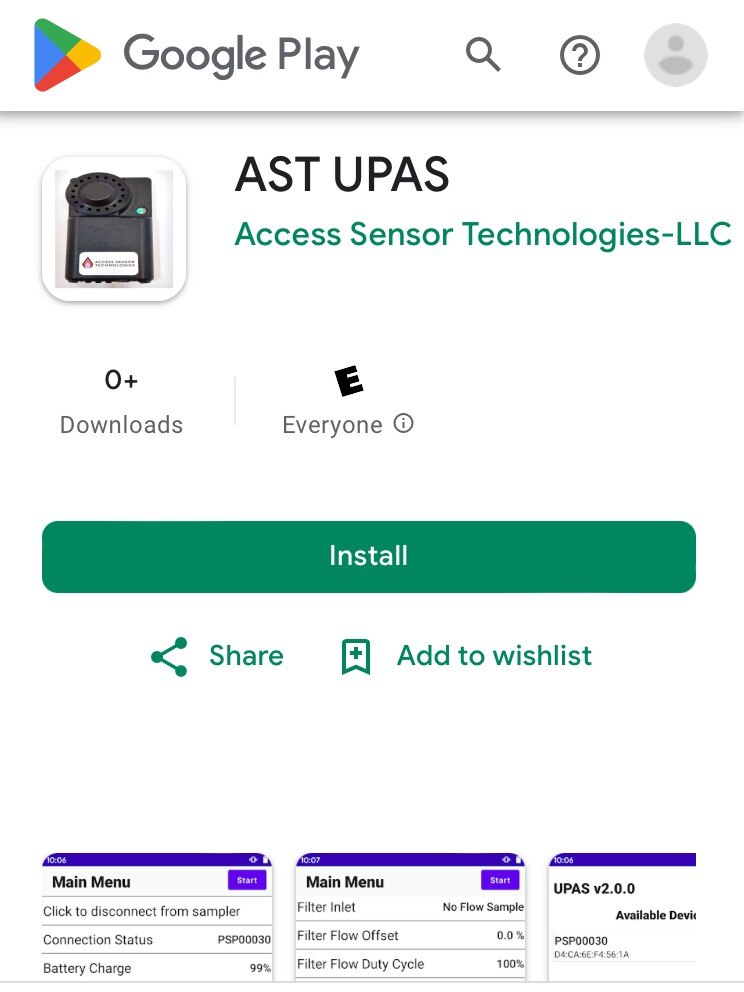
For programming UPAS v2.1 and v2.1 PLUS sample settings (requires Android ≥ 12)
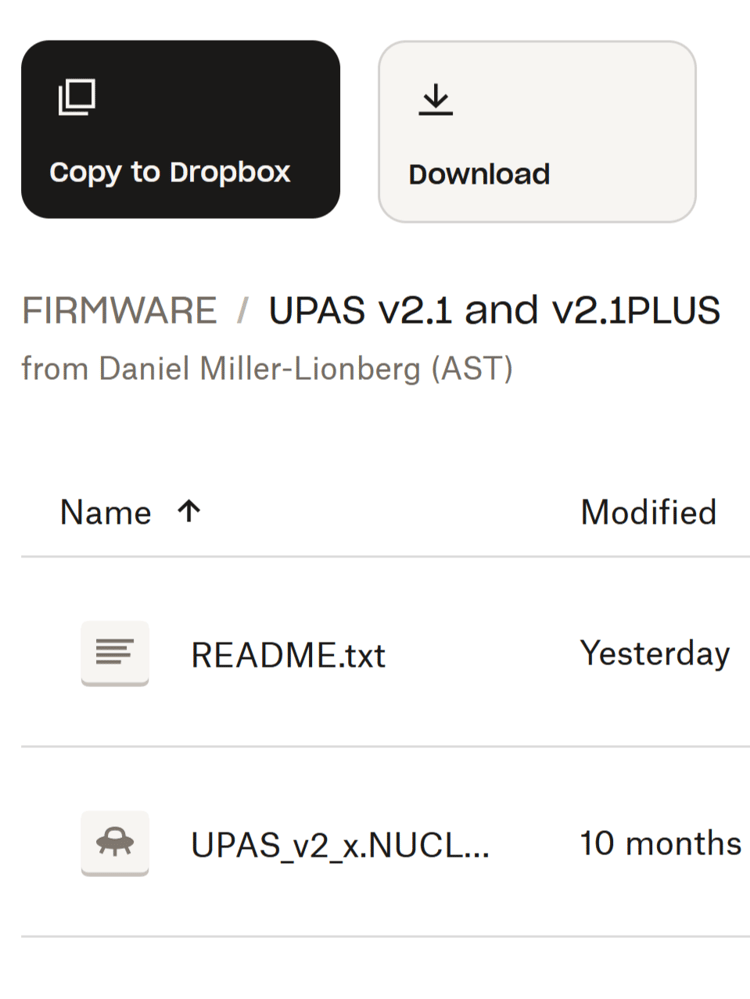
Version 206, released 09 October 2025
Web-based application for data visualization
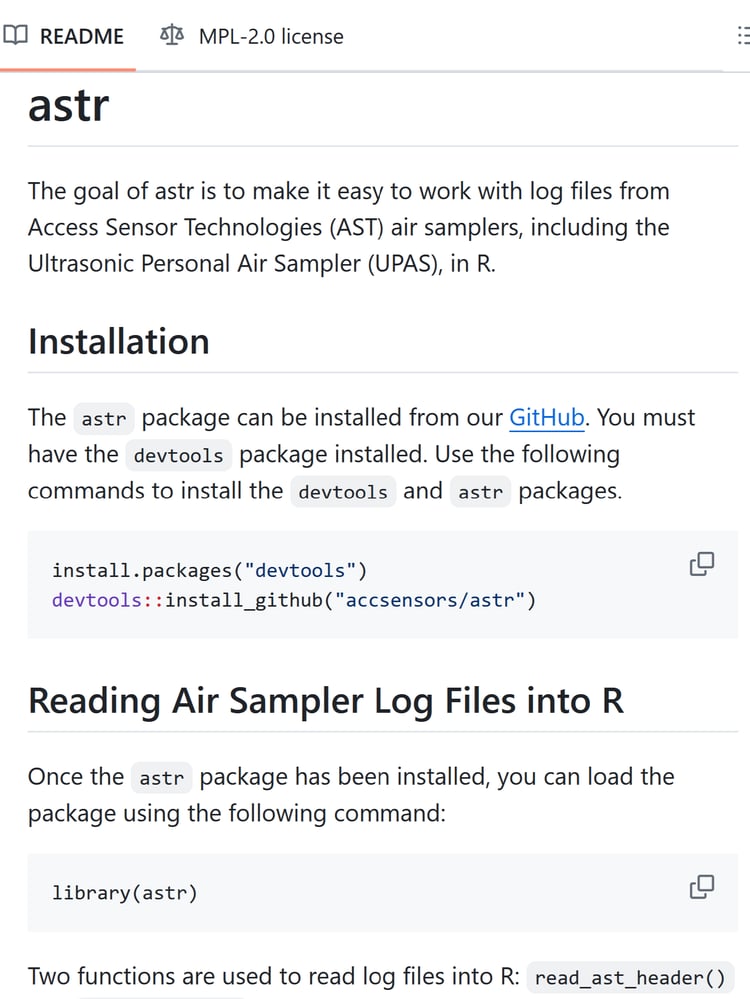
R package for working with UPAS log files
UPAS v2.1 only; inlets, cartridges, and other accessories sold separately. Request a quote to receive information about academic and nonprofit discounts. Pricing is only applicable for domestic customers. Contact us for an introduction to one of our excellent international distribution partners for country-specific pricing.
Perform diagnostic test, evaluate pump performance and flow control accuracy, update UPAS firmware
Recalibrate and validate mass flow sensor